Your site isn't a list of pages. It's a graph of meanings.
GraphoRank rebuilds your domain as a force-directed map: every page a node, every link an edge, every content affinity a semantic tie. What used to be invisible becomes obvious.
A real site, as an agent walks it
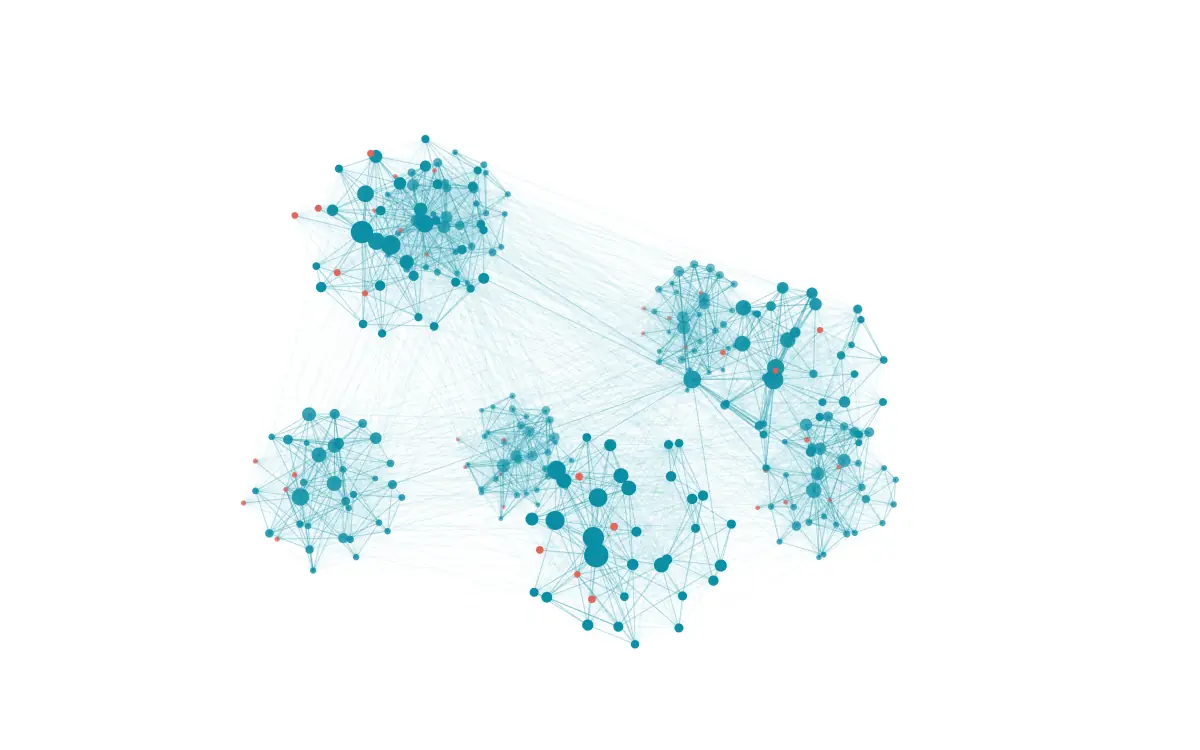
This is graphorank.com, every page a dot and every link a line. Take away the menu and the footer — the links that repeat on every page, and say nothing about which page matters — and what is left is the thin structure an agent actually follows out of the text. The red dots are the pages no text anywhere links to.
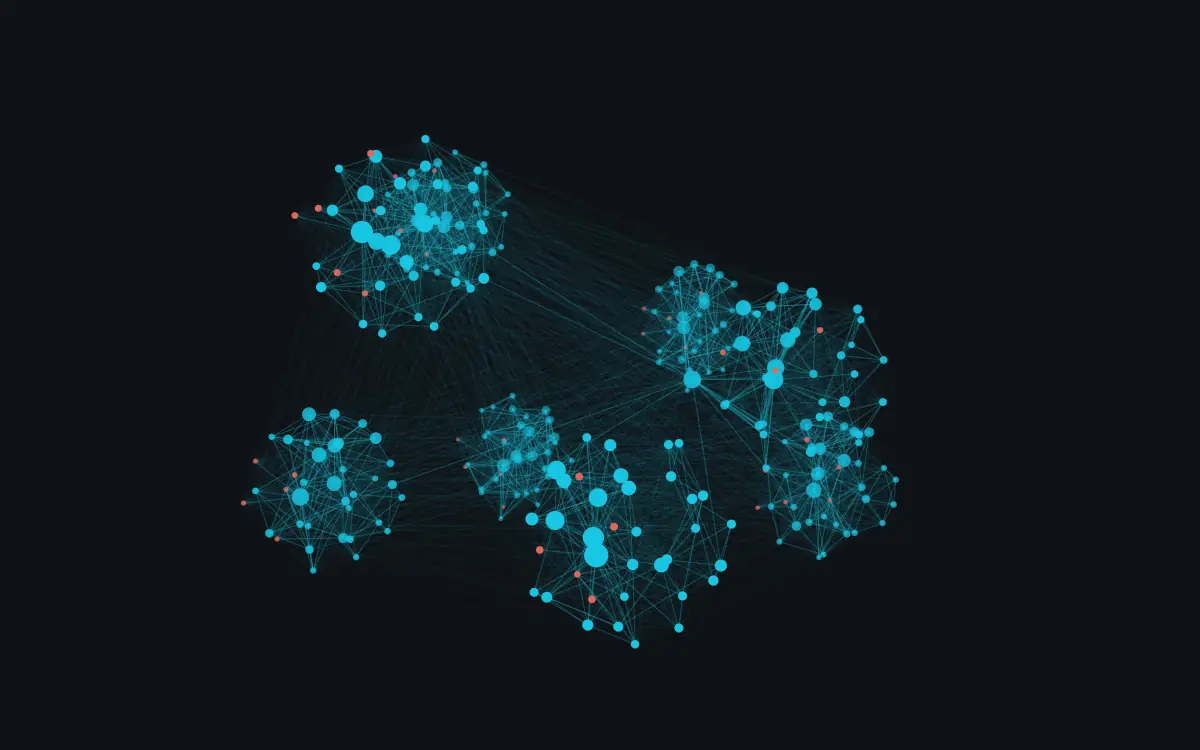
- Pages crawled
- 296
- Links inside the content
- 1,797
- Links in menu and footer
- 14,971
- Pages the text never links to
- 39
Drag to turn the graph, or use the arrow keys.
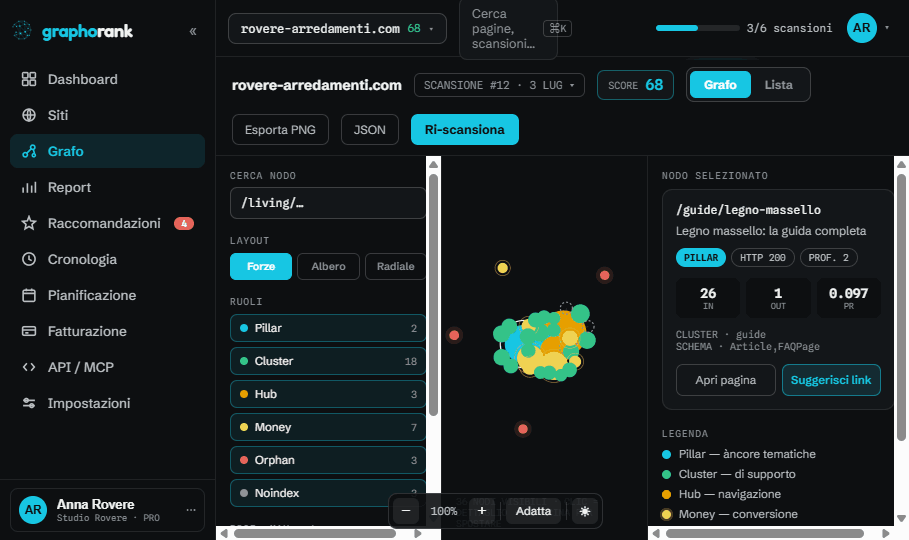
Orphan pages are revenue left on the table. Generative engines don't cite what they can't reach — and the graph shows them to you in red, instantly.
Six roles, one glance
Pillar
Topical anchors that collect authority and redistribute it across the cluster.
Cluster
Supporting content that reinforces a pillar and covers its nuances.
Hub
Navigation nodes: home, categories, indexes. They route authority across the site.
Money
Conversion pages — where traffic turns into revenue.
Orphan
No inbound links: invisible to crawlers and to generative engines.
Noindex
Excluded from the index — often by mistake, while collecting dozens of links.
Internal links
The structure you built: menus, breadcrumbs, contextual links. It defines how authority flows through the site.
Semantic ties
The structure the engines perceive: affinity of meaning between pages, even with no direct link between them.
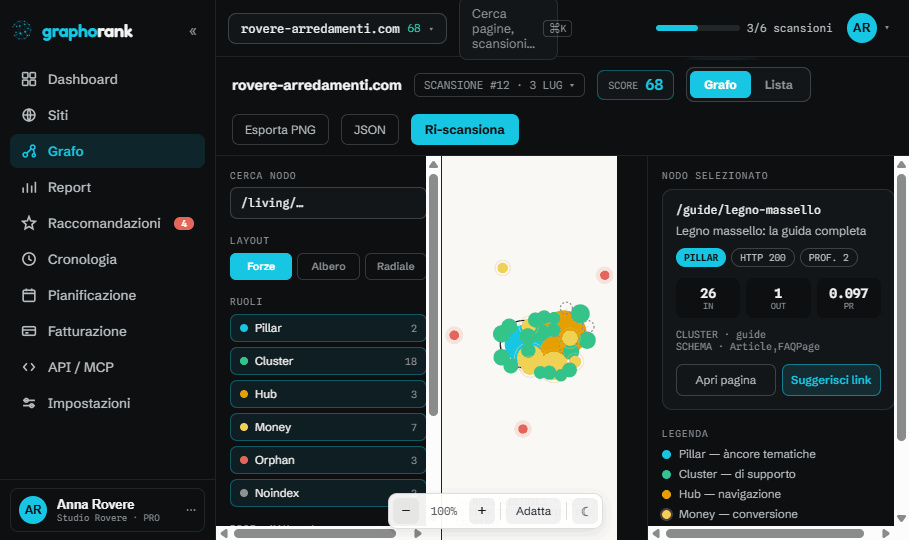
See your graph, free
Graph preview and a partial score in about two minutes. No credit card, nothing to install.